

The Sweet Face of Deception: What the Dorothea Puente Case Reveals About Trust and Society’s Blind Spots
When most people picture a serial killer, the image that forms is predictable. Someone volatile. Someone visibly dangerous. Someone who signals threat long before anyone uncovers a crime. The arrest of Dorothea Puente in Sacramento in 1988 shattered that expectation. Puente was a 59 year old woman with neatly fixed hair, oversized glasses, a quiet voice, and the soft presence of someone’s grandmother. She ran a modest boarding home, baked for neighbors, and spoke publicly about helping people who had nowhere else to go. To those around her, she appeared generous, patient, and maternal. Which is why the moment police began digging in her backyard and uncovering bodies, the shock was immediate and profound. Seven victims were officially identified. Investigators and criminologists still believe there were more. The jarring disconnect between her appearance and her crimes forced the public to confront something deeply uncomfortable. Danger does not always look dangerous. Sometimes it looks kind. Sometimes it looks helpful. Sometimes it looks exactly like the person everyone trusts.
Puente’s crimes worked because they were built on trust. Many of her tenants were elderly, disabled, or navigating mental illness. Some had histories of homelessness or addiction. They were individuals already living at the edges of support systems that were stretched thin. Once they moved into her care, Puente helped them apply for government benefits. She positioned herself as their advocate. According to prosecutors and court testimony, once she gained control of their finances, the dynamic changed. The people living in her home were no longer residents. They became income streams. When someone became difficult to manage or when their existence no longer benefited her, they disappeared. For a long time, no one asked why. No employer filed a report. No close relative demanded answers. For many of her victims, Puente may have been the closest thing to family they had.
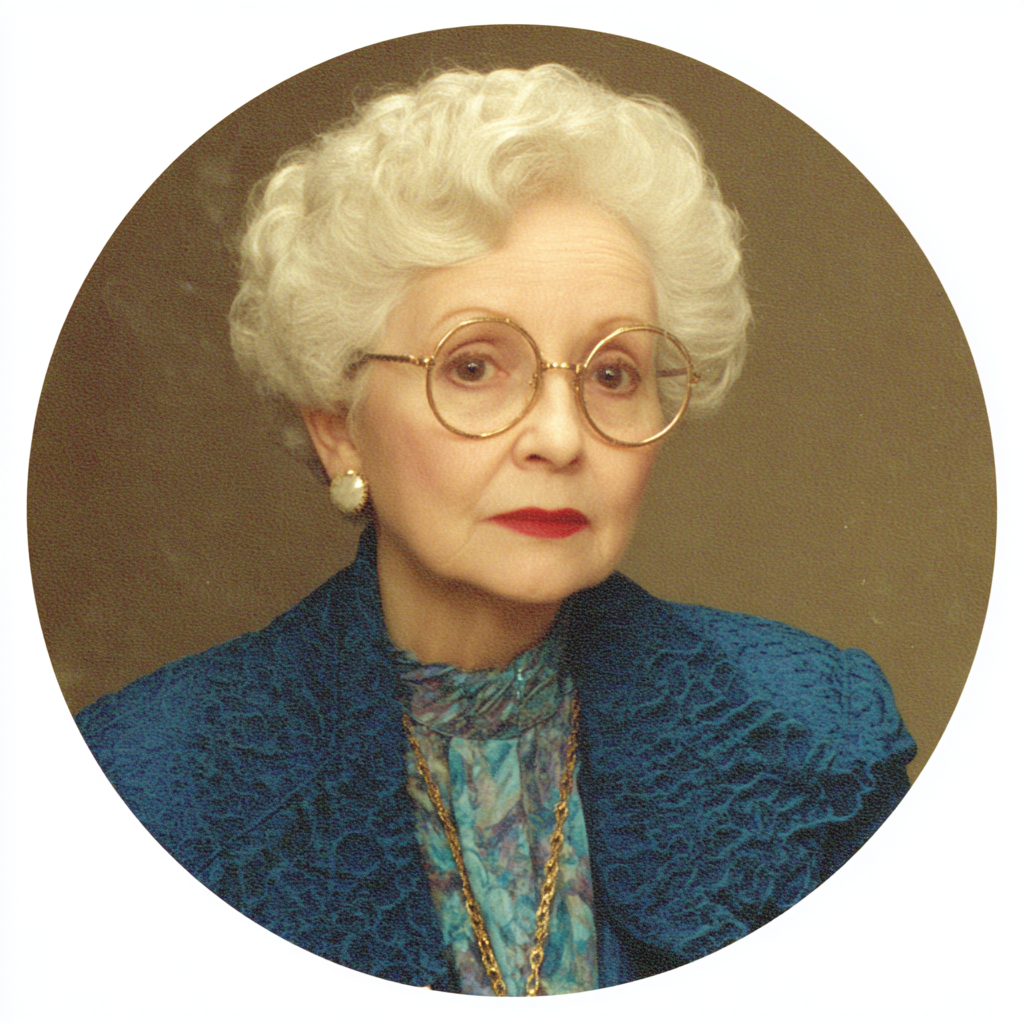
Image Credit: Midjourney AI
The system failed them long before their deaths. Government payments continued without oversight. Agencies responsible for welfare relied heavily on paperwork and assumption. There were no structured safety checks, no standardized verification, and no meaningful accountability. One persistent social worker is the only reason Puente’s crimes unraveled. Without that intervention, the bodies in her yard might have remained buried indefinitely.
As the case unfolded, another truth surfaced. Puente did not just exploit vulnerability. She exploited expectation. Society does not expect an older woman to be a predator. Society assumes caregivers are compassionate. Society believes someone who looks harmless must be harmless. Puente understood that bias and relied on it. That awareness allowed her to remain unnoticed for years, and it allowed her to operate a home that appeared nurturing while functioning as something far darker.
What makes this case linger in public memory is not only the crimes, but the questions they raise. Would Puente have been challenged sooner if she did not appear gentle. Would authorities have pushed harder if a man collected multiple benefit checks for tenants who could not speak for themselves. Would neighbors have dismissed the odd behavior so quickly if she did not fit a cultural stereotype of innocence. Cases like this expose how much trust is based not on evidence, but on comfort.
Dorothea Puente’s legacy is disturbing because it highlights a failure that extends far beyond her boarding house. Vulnerable individuals often exist within systems designed more for processing than protection. When people rely entirely on caretakers with little oversight and minimal external support, the potential for exploitation grows. Her crimes force a reevaluation of how we monitor caregiving roles, how we assess risk, and how easily individuals with no strong advocates can vanish without disruption. The most haunting part of this case is not only that Puente killed, but that so many of her victims disappeared quietly because no structure demanded their presence.
The Dorothea Puente case reminds us that trust is powerful, but it should never replace accountability. Appearance is not proof of goodness. Softness is not proof of safety. And people who rely on others for survival deserve more than assumed care. They deserve protection, oversight, and basic dignity. Puente’s victims mattered. Their lives and deaths demand awareness because the conditions that allowed her to operate did not vanish when she was arrested. They still exist. And the question her story leaves behind is simple and unsettling. Who is watching out for the people no one is watching.


Have You Heard The Latest Episode of GBRLIFE of Crimes?
GBRLIFE has so much more:





A chilling look into the Excedrin cyanide murders and the psychology behind Stella Nickell, the woman who killed for profit and changed consumer safety forever.