

When Control Becomes a Cage and When Choice Becomes Violence
**The Suitcase Murder in Bali**
In 2014, a suitcase was left behind in the lobby of a luxury resort in Bali. It was large, expensive, and heavy in a way luggage is never supposed to be. When hotel staff finally opened it, they found the body of an American woman folded inside, wrapped in towels, hidden with intention rather than panic. Her name was Sheila Von Wiese Mack. The person responsible was not a stranger. It was her nineteen year old daughter, Heather Mack.
Stories like this immediately trigger a search for blame. People want to know what kind of child could do this. What kind of mother would raise her. What went wrong and when. And almost immediately, the narrative splits into camps. One side looks at Heather’s upbringing and sees control, emotional rigidity, and a home where image mattered more than safety. The other side looks at the brutality of the crime and sees intent, calculation, and a choice that ended a life.
The truth is that both of those views are incomplete on their own.
Heather Mack grew up in an affluent environment where expectations were high and emotional tolerance was low. Accounts describe a mother who valued appearances, compliance, and authority, and a daughter who was emotionally reactive, sensitive to criticism, and quick to feel trapped. When Heather pushed back, control tightened. When she struggled, consequences came faster than comfort. Over time, conflict hardened into a pattern. Heather learned that power lived outside of her, and that autonomy had to be taken rather than given.
This kind of environment does not create murderers. But it can create pressure cookers.
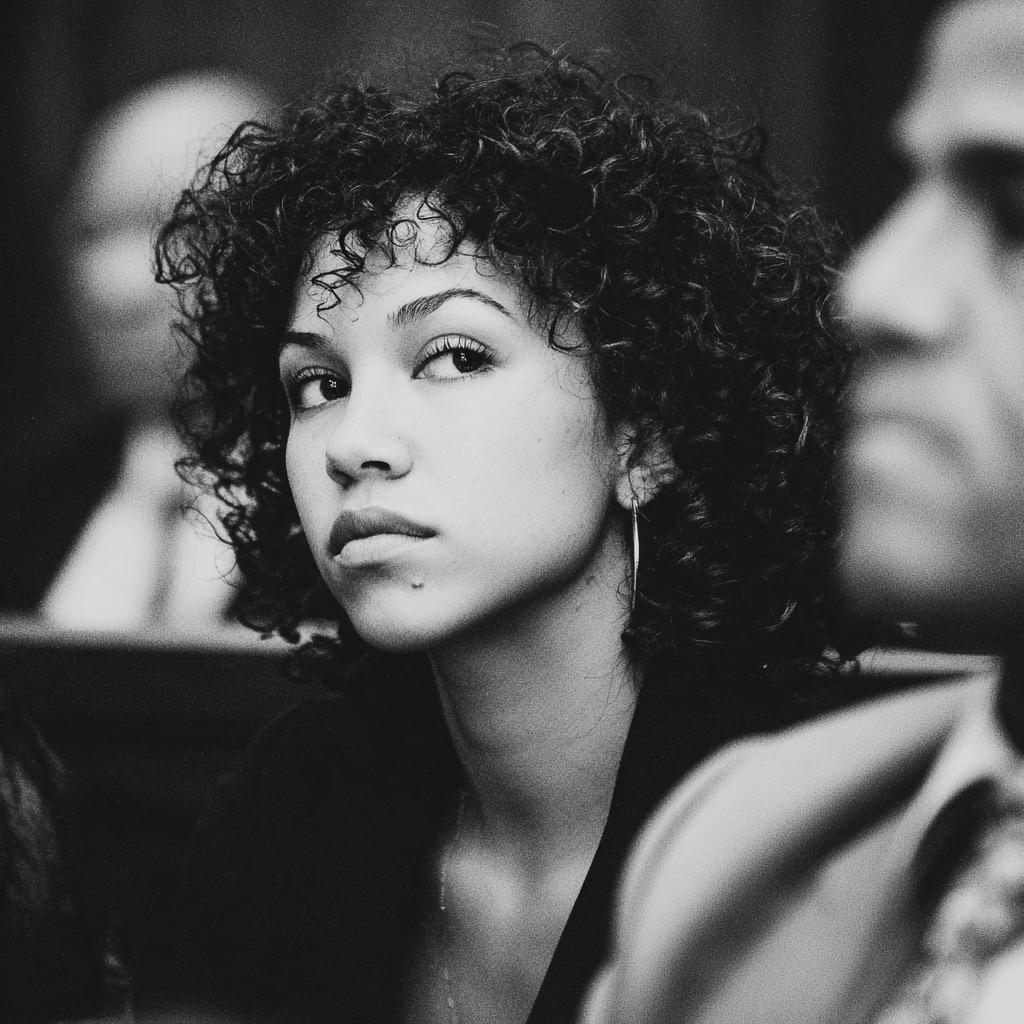
Image Credit: Midjourney AI
Children raised under intense control often do not learn how to regulate emotion or negotiate conflict. They learn how to endure or how to escape. They learn that expressing anger leads to punishment and that obedience is safer than honesty. And when that child reaches adolescence, when autonomy becomes developmentally necessary, control stops feeling protective and starts feeling suffocating.
By the time Heather became a teenager, her relationship with her mother was already fractured. She ran away multiple times. School was unstable. Rules multiplied. Repair never really happened. When Heather became involved with an older boyfriend who validated her feelings and encouraged her defiance, the divide deepened. Validation felt like safety. Agreement felt like love. And when Heather became pregnant, that fragile family dynamic collapsed entirely.
The trip to Bali was framed as a reset. A luxury vacation meant to repair a broken relationship. Instead, it placed unresolved resentment, control, and rebellion into close quarters with no escape. The argument that night did not come out of nowhere. It carried years of history with it. Voices rose. Accusations surfaced. And at some point, the confrontation turned physical.
What happened next is where understanding must stop short of excusing.
Heather and her boyfriend killed Sheila inside that hotel room. The violence was sustained. When it was over, they did not call for help. They did not flee in panic. They cleaned the room. They wrapped the body. They placed her into a suitcase and attempted to leave the resort. Those actions required time, coordination, and decision making. They reflected awareness, not dissociation. Choice, not chaos.
This is where many people struggle. Because acknowledging the role of control and emotional neglect does not erase the reality that Heather was capable of calculation. Children and teenagers are not incapable of murder. They are not incapable of cruelty. They are not incapable of intent. Trauma can shape behavior, but it does not eliminate responsibility.
We often want one clean explanation. Either the parent caused it or the child was evil. But real life does not work that way. Overcontrol can warp development and amplify desperation. And at the same time, there is a point where survival responses harden into decisions. Where rebellion turns into entitlement. Where escape becomes worth any cost.
Parenting conversations rarely sit in this uncomfortable middle. We either excuse harmful behavior in the name of trauma or deny the impact of control entirely. Both approaches fail. Overcontrolling children does not keep them safe. It teaches them that power is something to seize, not regulate. But pretending children lack agency is just as dangerous. It leaves us unprepared for the reality that young people can make irreversible choices.
Heather Mack’s story does not offer comfort. It forces us to hold two truths at once. She was shaped by a controlling environment that failed to provide emotional safety. And she chose violence as a solution to conflict. Understanding one does not erase the other.
This is why these stories matter beyond true crime. They force parents to examine how authority functions inside their homes. Not boundaries, but control rooted in fear and image. And they force society to stop pretending that youth equals innocence.
Healthy parenting teaches children how to hold power without abusing it. Healthy authority leaves room for autonomy and repair. And accountability does not disappear simply because someone’s past was painful.
When we refuse to talk honestly about either side, we leave families less prepared, children less regulated, and everyone less safe.
If You Loved This, You’ll Love These Too:



Have You Heard The Latest Episode of GBRLIFE of Crimes?
GBRLIFE has so much more: